In Counter-Strike 2, a team’s victory often depends not only on aim and reaction time, but also on how well players understand the map and interact with each other. Each area on the map has a conventional name that helps quickly convey enemy information and build strategies. That’s why it’s important to know the names of positions on CS2 maps and use this information in combat.
This guide provides a detailed breakdown of all the key positions on popular CS2 maps. We'll explain why these names matter, how to use them effectively, and which locations are considered strategically important across different arenas.
What Are Positions in CS2 and Why Are They Important?
Positions on CS2 maps are conventional labels for zones used for communication between teammates. For example, when an ally reports “enemy on short,” the team immediately understands the enemy’s location.
Knowing positions precisely helps to:
Coordinate actions between players.
Choose the right angles for attack and defense.
Quickly adapt when switching sides.
Team play is impossible without understanding zone names — the speed of communication often determines whether a round is won. Even in public games, players use these terms to boost their chances of success.
General Principles of Position Naming in CS2
Position names on CS2 maps have evolved over years — going back to the days of CS 1.6 and Source. Some names come from English (Short, Mid, Heaven), while others have become established in Russian gaming slang (Kovry, Sandbags, Banana).
Examples of popular names include:
Short — a short passage.
Jungle — the area between the bombsite and mid on Mirage.
Heaven — an upper position overlooking a bombsite.
Car — a cover spot behind a car (on Dust 2).
This system makes it easy to navigate any map: players divide it into areas like A site, mid, long, etc. Positions in CS2 maps form a universal language understood by all players.
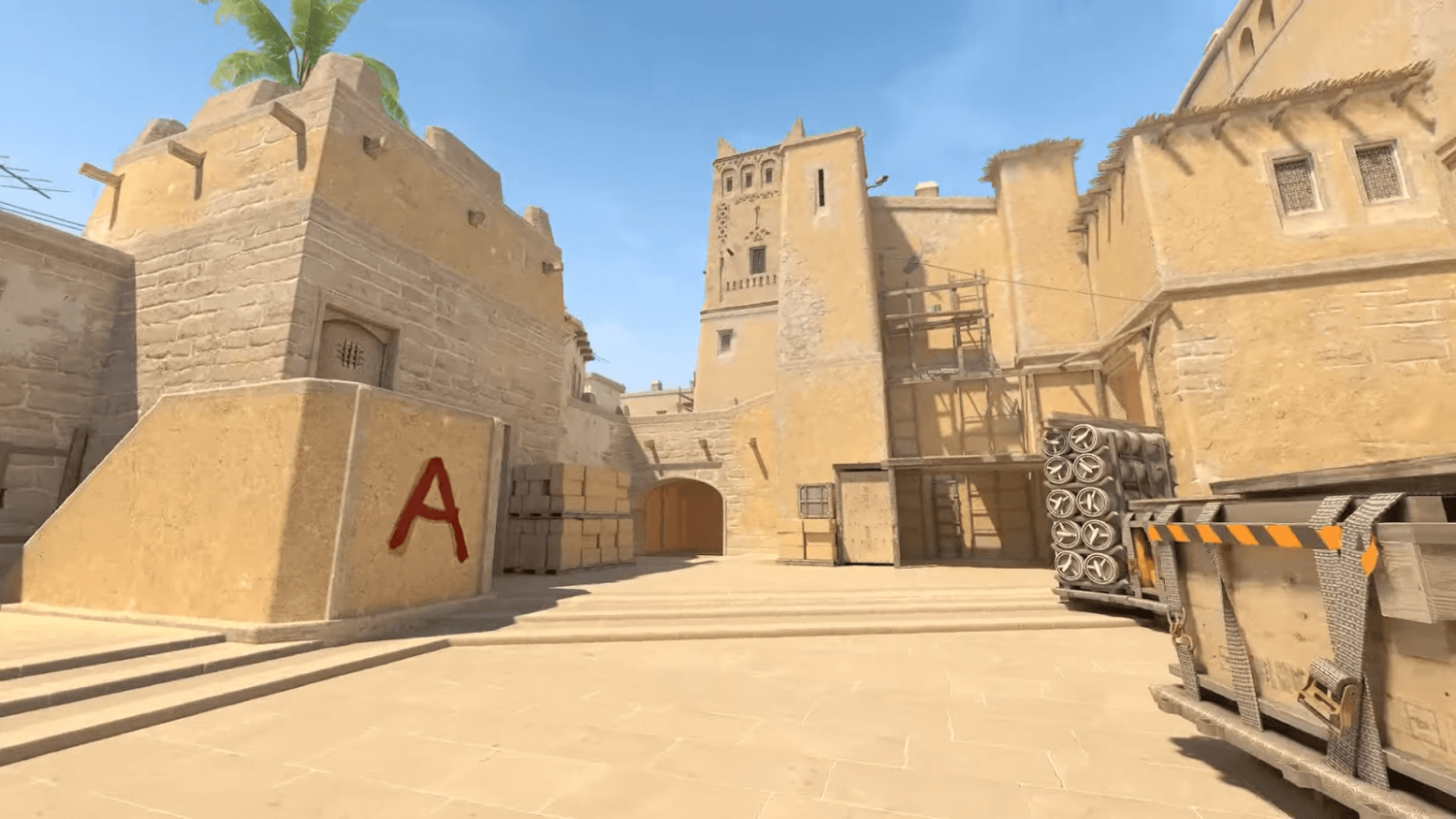
Positions on Mirage Map in CS2
Mirage is a legendary Counter-Strike 2 map, remaining one of the most popular both in casual and competitive matches. It's perfect for practicing team play and showcasing tactical thinking. Every corner, passage, or elevation has a name, and knowing them helps players quickly orient themselves and work in sync with the team. Learning these positions is essential for making faster decisions and reporting enemy locations.
Mirage contains many key locations, each playing a role in both attack and defense. For example, effective mid control opens access for attackers to both A and B sites, while defending areas like Jungle or Connector allows defenders to block key paths.
Key Positions on Mirage:
T-Spawn — Terrorist starting point where strategies are formed and roles are assigned.
Pit — a deep spot in front of A site used for pushing onto the site or fragging defenders.
Palace — the upper entrance to A site with a view of Ticket and the plant area.
Kovry (Apartments) — area near B site for attacking or holding from above.
Connector — crucial passage between mid and A site, enabling quick rotations.
Mid — strategic center of the map giving access to both sites and full vision control.
Short — short route from mid to B, ideal for fast rotations.
Window — elevated mid spot to control the map’s center.
Jungle — connecting area between Connector, A site, and CT spawn.
CT (City) — Counter-Terrorist spawn and defense point for both sites.
Ticket — raised position on A site commonly used to hold the bombsite.
Firebox — corner on A site often used for ambushes.
Kitchen — key B site defense zone with control over Apps and Short entrances.
Player tip: Understanding Mirage positions in CS2 helps not only with faster orientation but also with predicting enemy actions. If a teammate calls “enemy in Jungle,” an experienced player knows what smokes and flashes to throw to flush the opponent out.
Players who’ve mastered zone names can build better strategies — like a split push through mid and Apps to B, or a fake on A followed by a Connector rotation. Team play without this knowledge is almost impossible.
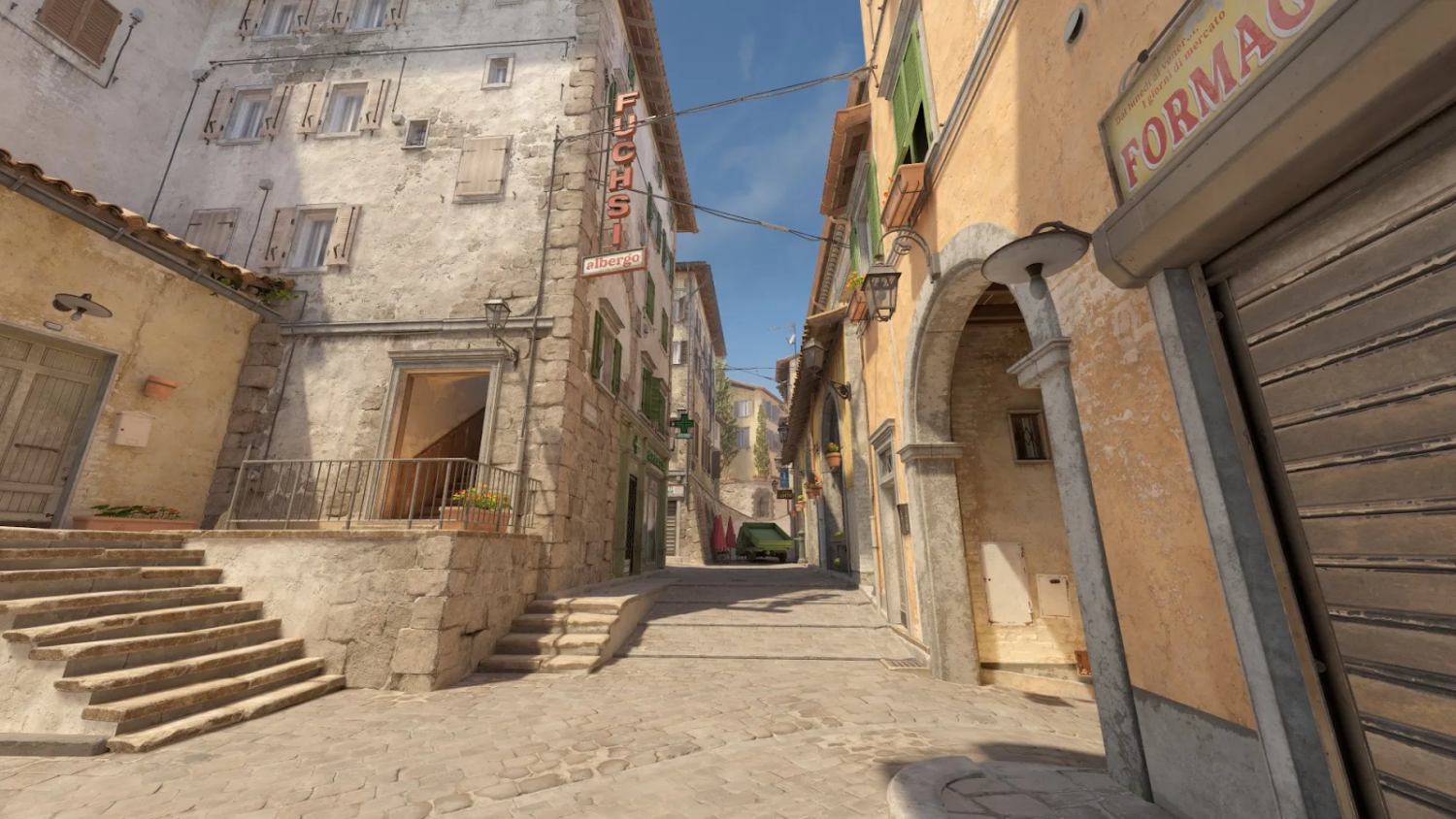
Positions on Inferno Map in CS2
Inferno is a classic Counter-Strike 2 map where every area can play a decisive role in the round. Its unique features include narrow passages, many angles, and the compact placement of bombsites A and B. This architecture forces teams to carefully plan their routes, as a single wrong turn can lead straight into an ambush. Knowing the positions on Inferno in CS2 helps players build aggressive tactics and hold sites effectively.
Each location on the map has a recognizable name used by everyone from beginners to professionals. These names make it easier to relay enemy positions and plan rotations. For example, when a team hears “enemy in Apartments,” they immediately know A site is threatened from above.
Key Positions on Inferno:
Banana — a long corridor leading to B site. Controlling Banana often decides whether attackers can break through or defenders can lock it down.
Apartments (Kovry) — the upper area near A site where attackers can surprise defenders.
Mid — the center of the map that enables fast rotations and allocation of forces between sites.
Library — a cover spot near A site, good for defense and blocking mid approaches.
Graveyard — the area near B site often used by defenders to catch attackers coming from Banana.
Pit and Sandbags — concealed spots at A site for holding pushes and setting ambushes.
Church and CT — defensive and respawn areas for B site, crucial during retakes.
Player tip: On Inferno, it’s especially important for every team member to know not just the location of zones but their key angles as well. For instance, if the defender at Graveyard is watching Banana, the teammate in Church should cover the Apartments exit to block all routes. Players familiar with position names react faster to rotations and are less likely to fall victim to surprise pushes.
This map demands coordination and fast communication. Without knowledge of positions like Arch, Boost, or Balcony, teams risk wasting crucial seconds during attacks or defenses. That’s why players should learn Inferno positions in CS2 in advance and practice them in training sessions.
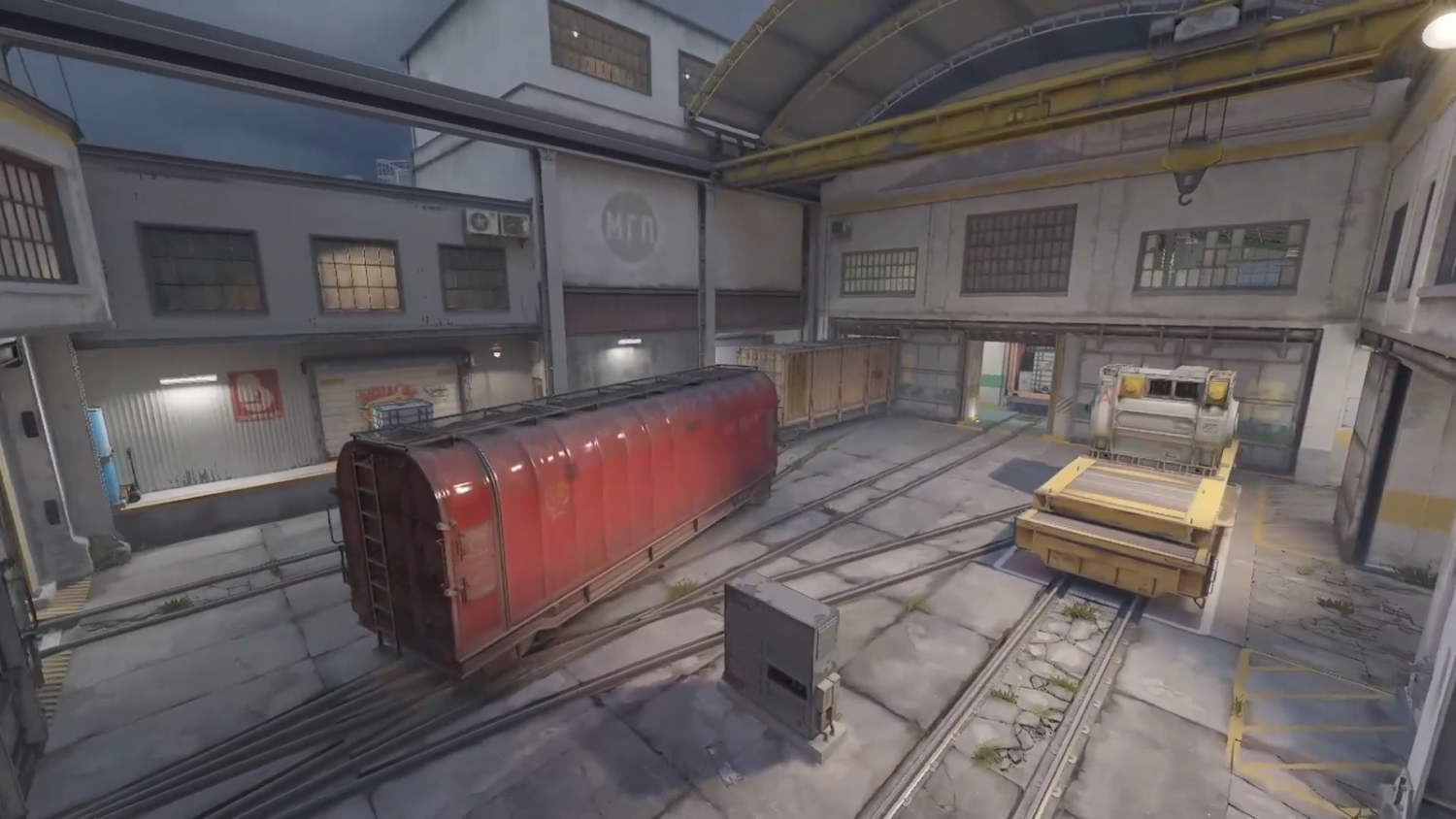
Positions on Train Map in CS2
Train is one of the most tactically complex maps in CS2, where space control and level awareness play a decisive role. The map is known for its abundance of cover, train cars, and vertical zones, requiring teams to carefully plan their movements. A single misstep can result in losing control of key areas — and with that, the round.
Players familiar with Train’s positions in CS2 gain a significant advantage. They respond faster to enemy rotations, use the environment for cover, and find unconventional angles for ambushes. This map is especially valued for allowing creative defensive setups and bold split-pushes in attack.
Key Zones on Train:
Ivy — a long narrow lane leading to the outer bombsite. Controlling Ivy lets attackers stretch the defense on A and apply pressure.
Popdog (Ladder Room) — vertical drop connecting mid to the outer site. A quick push from here can catch A defenders off guard.
Heaven — elevated position overlooking the inner site, crucial for controlling enemy entry.
Z (Z Connector) — transition zone between the inner and outer sites, vital for fast rotations and flanks.
Upper Halls (Apps) — upper corridors often used to start an inner site push.
Player tip: Random movement won’t work on Train. You must plan routes and use every position effectively. For example, when defending A, smokes and flashes on Ivy and Popdog can hold off attackers. On offense, coordinated pushes from Apps and mid prevent defenders from reacting in time.
New players should not only memorize the names of CS2 map positions, but also understand their tactical roles. For instance, controlling Popdog enables surprise splits, while holding Z helps defenders rotate quickly between bombsites.
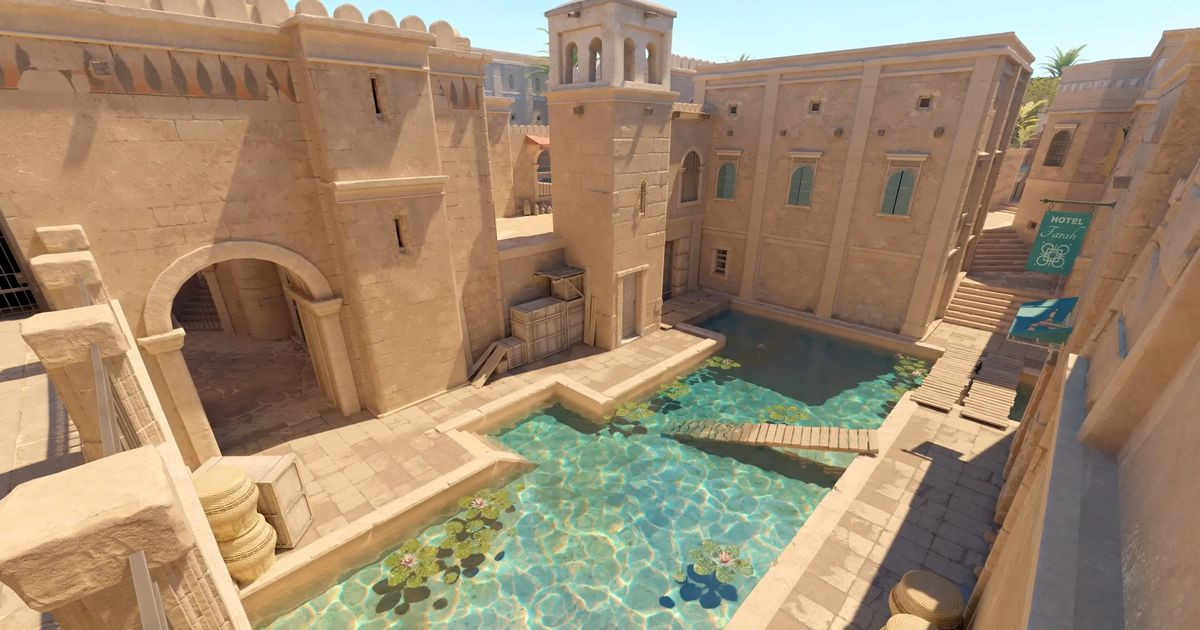
Positions on Anubis Map in CS2
Anubis is one of the newest and most unconventional maps in the CS2 pool, immediately catching players’ attention with its unique design. It combines narrow corridors with open areas, where every detail matters — from line-of-sight angles to rotation routes. Although zone names are not yet fully standardized in the community, understanding these locations is essential for effective gameplay. That’s why experienced players recommend learning Anubis map positions in CS2 even during match prep.
Key Zones on Anubis
Anubis offers players many critical areas that must be controlled to gain a strategic edge:
Mid — the most dynamic zone where both teams’ paths intersect. Holding mid enables quick rotations to either site and allows attackers to pressure multiple directions.
Temple — a closed area near A site, ideal for setting up ambushes and reinforcing defense.
Upper Halls (Apps) — elevated corridors leading to B site. Attackers can use this area for surprise entries.
Doors and Long — passages leading toward the plant zones. Footsteps here are easy to hear, so players must move carefully.
Bridge and Water — open spaces suitable for fast pushes or sniper control angles.
Player tip: On Anubis, keep in mind that open areas and tight corridors create space for creative moves. For example, holding Temple on defense helps contain the A site while leaving room for fast retakes. On offense, a smart split push through Mid and Apps to B can confuse even seasoned opponents.
One key feature of this map is its verticality — many positions are on different elevation levels. This demands careful clearing of angles. Players who confidently know the names of CS2 map positions can navigate these situations faster and avoid basic mistakes like peeking without checking a corner.
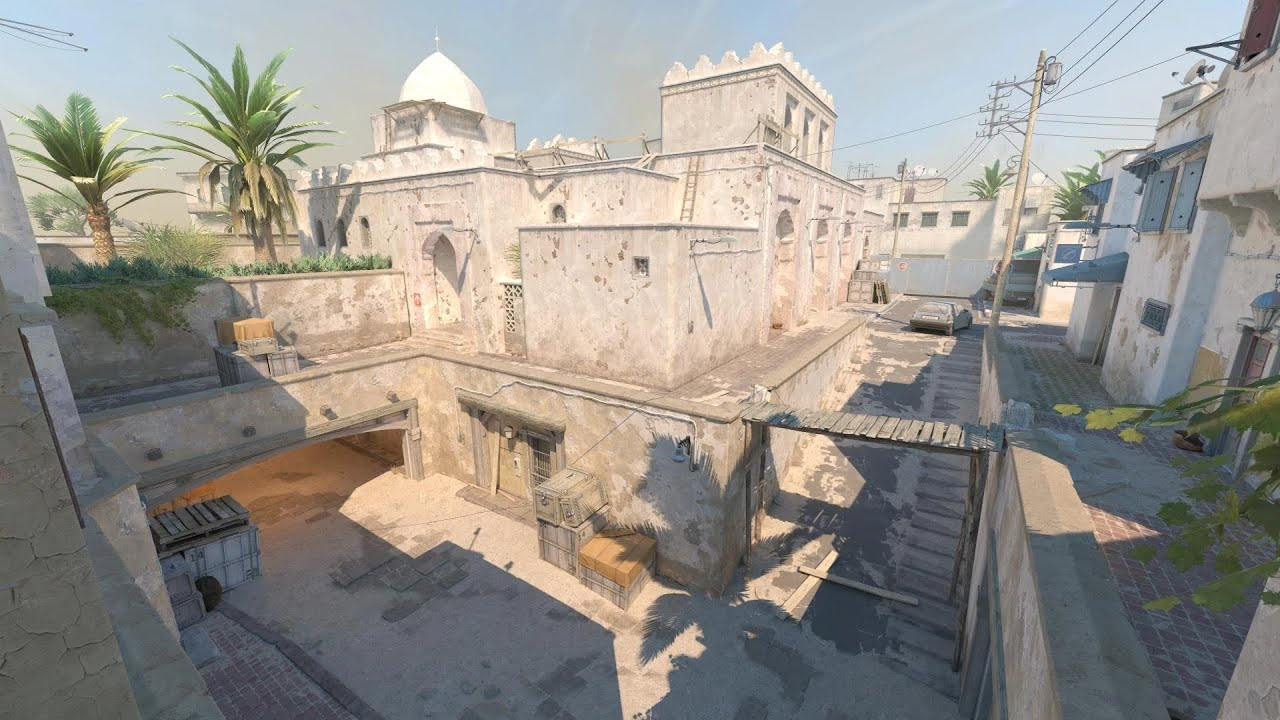
Positions on Dust 2 Map in CS2
Dust 2 is an iconic map in all versions of Counter-Strike — a place where generations of players have sharpened their skills. It’s instantly recognizable: long corridors, open spaces, and the legendary Long have become symbols of the game. Despite its simple visual design, this map requires excellent orientation and tactical awareness. Players who confidently know Dust 2 map positions in CS2 hold a massive advantage in any round, especially in team play.
The map consists of several key zones that must be controlled to secure victory. Each position can shift the outcome of a match if used correctly. For example, taking Mid allows attackers to pressure both sites, while strong defense from Xbox often determines whether B can be breached.
Key Zones on Dust 2:
T-Spawn — Terrorists' starting point where roles and routes are planned.
Long — a long path to A site, often the scene of prolonged firefights.
Short (Catwalk) — a short route to A site, ideal for quick flashes and fast pushes.
Mid — the central area that controls rotations between sites and gives vision over enemy positions.
Xbox — a piece of cover on Mid, often used to cross safely and take control of center.
CT (City Spawn) — Counter-Terrorist spawn point that allows rotations to both bombsites.
Site A and Site B — the two bomb planting zones, each with different angles and openness for defense.
Tunnels and Lower B — paths leading to B site, often used for surprise attacks.
Windows — B site exit point, useful for both defense and retakes.
Player tip: Winning on Dust 2 requires a clear understanding of each zone. For example, if a teammate calls “they're pushing Short,” you must instantly evaluate whether to hold the angle or reposition for a retake. That’s why beginners should memorize CS2 position names in advance and practice them on training servers.
Dust 2 may seem simple, but beneath its clean layout lies a deep tactical game. Knowing sightlines, timing, and common enemy hiding spots helps you win even the toughest clutch rounds.
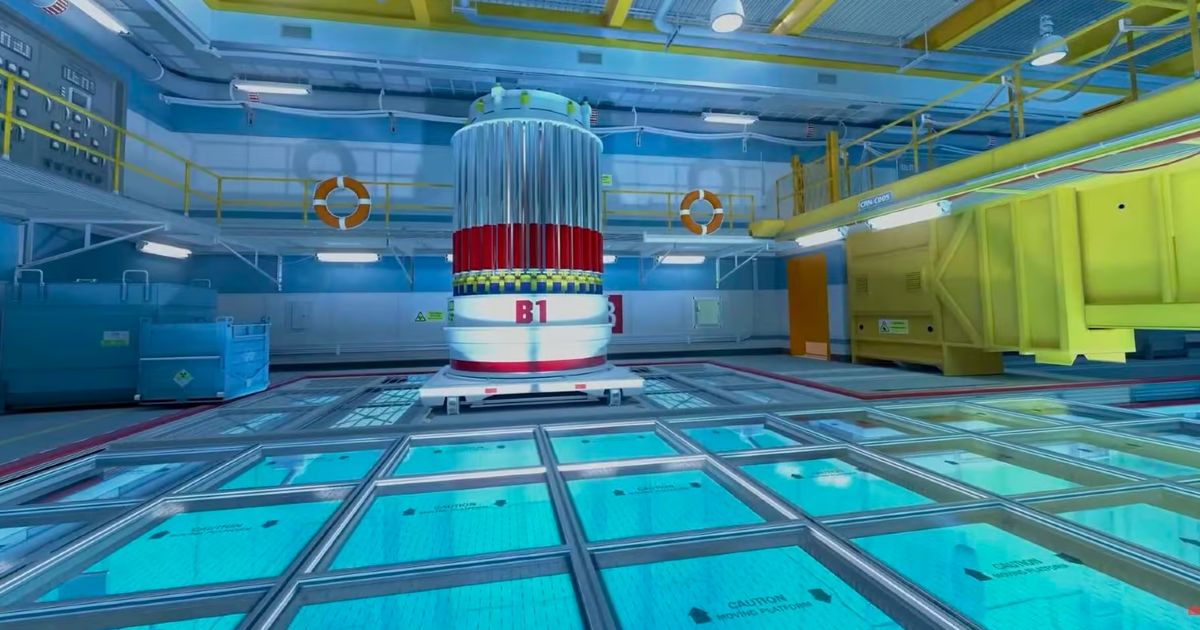
Positions on Nuke Map in CS2
Nuke is one of the most unique maps in CS2, drastically different from traditional layouts. Its standout feature is the vertical structure and multiple levels, requiring players to think unconventionally and communicate clearly. Newcomers often get lost on this map, as it's easy to mix up floors or miss an enemy sneaking through vents. That’s why experienced players recommend learning Nuke positions in CS2 in advance — to navigate confidently and support the team effectively.
Key Zones on Nuke
Nuke has several critical positions that players must know for successful attack and defense:
Hut — entrance to the upper site from Radio Room, often a hotspot for fast trades.
Ramp — sloped hallway leading to the lower site, a strategic point for defenders to hold.
Vents — vertical shaft connecting both bombsites, great for quick rotations and surprise plays.
Heaven — an elevated position overlooking the upper site, commonly held by snipers.
Secret — a hidden passage from mid to the lower site, ideal for stealthy attacks.
Main — the main entrance to A site from outside, often covered by multiple angles.
Mini — a corner spot on the upper site used by defenders for ambushes.
Player tip: On Nuke, it’s not enough to simply know the position names — you must clearly call out the exact enemy location. For example, “enemy in Secret” alerts your team to a threat on lower site, while “they’ve taken Heaven” signals the need to reposition on A. Because of its multi-level structure, this map demands extra attention to vertical movement — failing to understand the layers can cost you crucial seconds or even the round.
This map requires tight coordination. Each player must know their role, whether it’s holding Outside with an AWP or rotating through Vents to B. Confident players on Nuke control the game’s pace and force the enemy into mistakes.
How to Effectively Memorize Positions on CS2 Maps
Learning position names is a crucial part of a player’s development.
Tips:
Play with teammates who actively use callouts.
Watch professional matches and study their radar usage.
Practice on training servers and use map diagrams.
Apps and guides will also help you master CS2 map positions faster and navigate any map with confidence.
Conclusion: Why You Should Learn CS2 Map Positions
Understanding CS2 map positions is the foundation of team play. Knowing zone names allows for instant information sharing and better tactics. Even if the names vary slightly across servers, the core principle remains: map knowledge leads to victory.