For someone just stepping into Rust, the game can indeed feel harsh: survival, base building, constant skirmishes with other players, and threats from the environment itself. But those who stick around quickly notice another side of Rust—the chance to express yourself through customization. Players decorate weapons, tools, and even their base doors with skins. For some, it’s a way to stand out; for others, a status symbol; and some view rare items as a long-term investment. So it’s no surprise that one of the first questions newcomers ask is: how to get skins in Rust? And here it’s not so simple: there are free options, but they take time and patience, and there are faster ones that cost money. The key is that everyone can find their own path and build a collection that makes them happy.
What are skins in Rust and how does the system work?

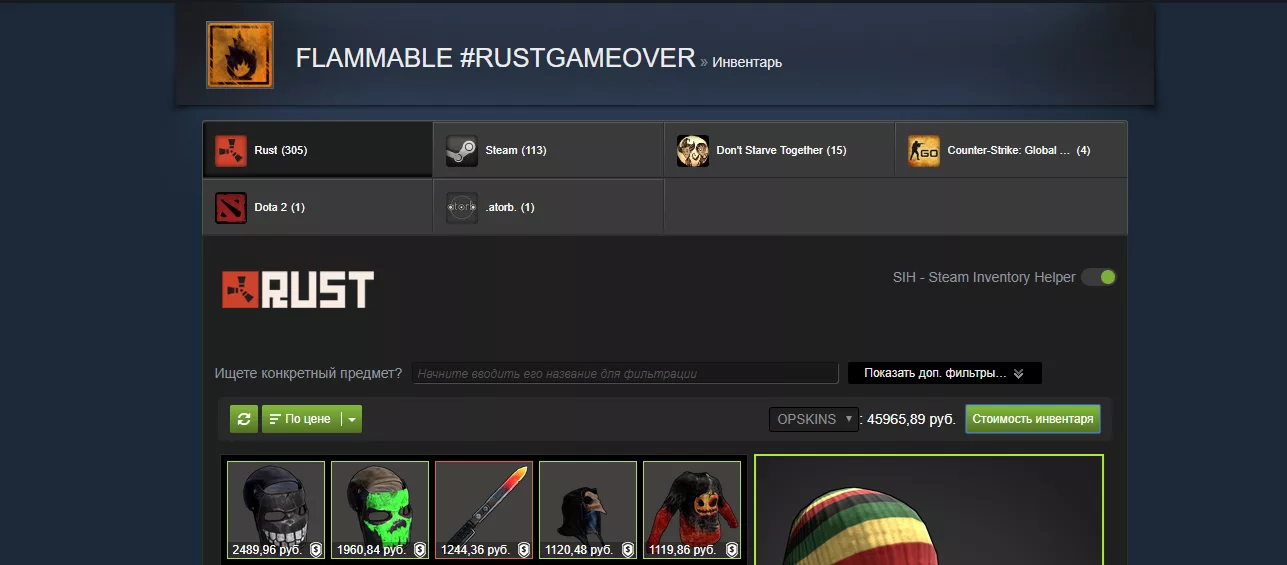
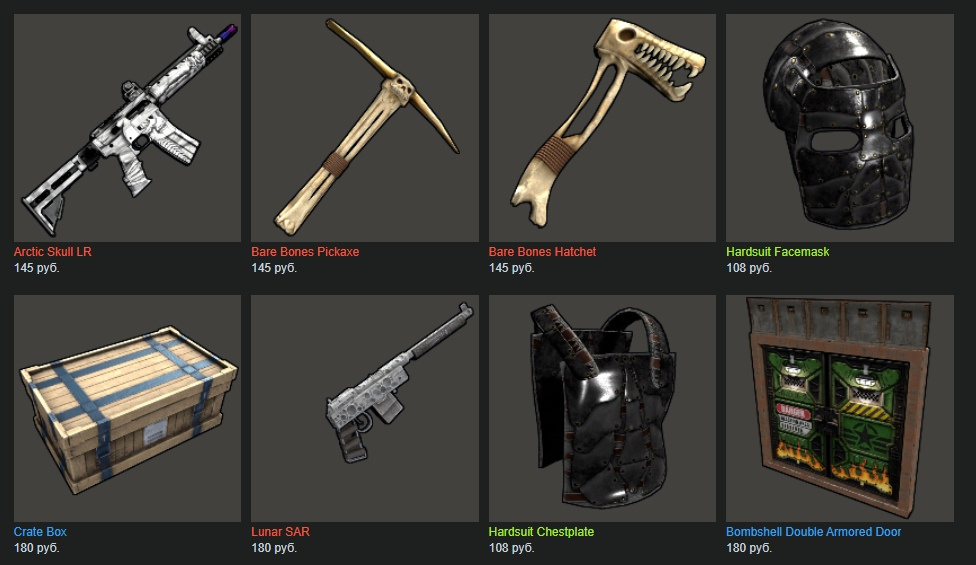
Before looking for methods, it helps to understand the system. Skins don’t add damage, don’t speed up resource gathering, and give no combat advantage. They’re purely visual and remain in your Steam inventory even after wipes. The system is tied to item rarity—from Consumer Grade to Military Grade and higher. The rarer and more popular a skin, the higher its price. A well-known example in the community: the “Mushroom Man” helmet (Gloop) routinely goes for hundreds of dollars. The main trading venue is the Steam Community Market, where deals are made daily by players from around the world.
How to get skins in Rust just by playing: the reward system
The most legitimate method that requires no spending is the in-game weekly drop system. This is the direct answer to how to get skins in Rust simply by playing. Facepunch Studios rewards players for time spent in-game. Once a week (usually on Thursday) you receive a few items just for being connected to a server.
Manage your expectations, though. The chance of a truly rare and valuable skin dropping is very low. Most drops are Consumer and Industrial Grade items worth $0.03 to $0.30. Still, it’s a steady and completely safe way to gradually grow your collection without spending a cent. It’s ideal for anyone looking for how to get skins in Rust for free and willing to be patient.
Buying on the Steam Community Market: safety and reliability
If you don’t want to wait and are ready to invest in the look you want, the most straightforward and secure option is buying on the official Steam Community Market.
Pros:
Maximum security: All transactions are protected by Steam’s systems.
Huge selection: You’ll find every skin that has ever been released.
Instant delivery: After purchase, the item appears in your inventory immediately.
Cons:
Higher prices: Because Valve takes a 5% fee on each sale, prices here are often inflated compared to other platforms.
Tied to your Steam Wallet: You can’t cash out to real money, only use funds within the Steam ecosystem.
It’s a reliable, simple option for those who value safety over savings. But if you want to save money, consider other routes as well.
Buying on third-party sites: cost-effective, but be careful
Anyone who plays Rust long enough eventually wonders: how can you get skins in Rust cheaper than on Steam? That’s where third-party sites come in. The same items are often noticeably cheaper—sometimes by 10–20%, sometimes even more. The reason is simple: lower fees, and sellers undercut each other to compete.
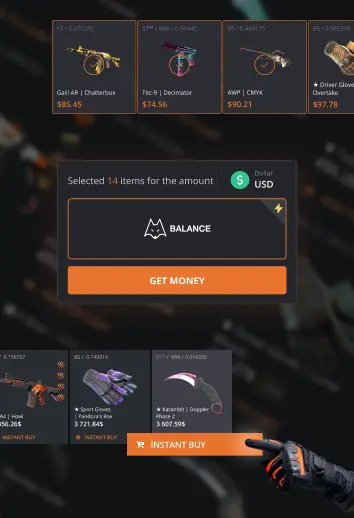
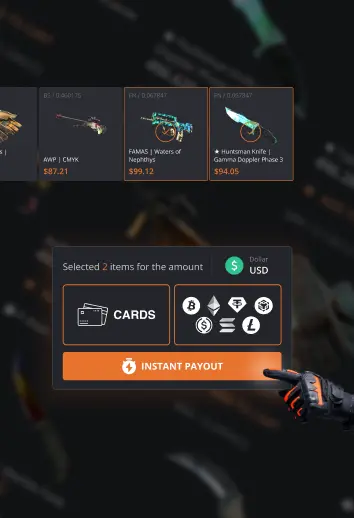
Today, LIS-SKINS is a platform players worldwide turn to. It offers a broad catalog—from entry-level skins to rare collector pieces. The buying flow is straightforward: pick the item you want, pay in a convenient way—bank card, cryptocurrency, or e-wallet—and within a couple of minutes the skin arrives via an official Steam trade.
But anyone who’s ever lost items will tell you the same thing: double-check everything. The web is full of phishing sites that look legit. Before clicking “buy,” make sure you’re on the official site, not a fake. And read reviews—in this space, reputation matters more than a pretty wrapper.
Trading with other players
Peer-to-peer trading is the classic way to get skins in Rust. You can arrange deals on Discord servers, themed VK communities, or forums. However, this method carries a very high risk of scams.
To stay safe, it’s strongly recommended to use a middleman (escrow) service or established marketplaces with secure-trade systems. This approach removes the risk of fraud and ensures you receive exactly the item you agreed on.
How to get free skins in Rust 2025 via events and contests
Rust players know: buying isn’t the only path. The question of how to get skins in Rust can be solved without spending a dime if you stay alert and active in the community. Yes, weekly drops are a steady source, but they mostly bring cheap items. Much more interesting (and lucrative) are seasonal events and contests run by the devs and the community.
Facepunch Studios has long made holiday events a tradition. On Halloween, players hunt unusual pumpkin creatures, and in winter you can scour the map for gifts. These tasks grant unique items you can’t find anywhere else. Their value lies in exclusivity: those who took part in the earliest events now hold skins in their inventories that have only risen in price on the Steam Market. For collectors, they’re not just souvenirs but real investments.
But dev-run events are only part of the picture. The Rust community has a life of its own, with constant giveaways. Streamers, clans, and large Discord servers frequently host contests for subscribers. Sometimes it’s a simple raffle, but more often it’s a chance to show your stuff. Post a funny clip, share a gorgeous screenshot, create fan art, or record a guide for newbies. That kind of content is valued far more than engagement for engagement’s sake.
There’s another route—local tournaments. Smaller servers often run mini-competitions, from 2v2 duels to builder contests. Prizes are often skins, which you can win with no spending at all, just by showcasing your skills.
Veterans always note one rule: be genuine. The community quickly spots people who show up only for freebies, and they’re not welcome. Active, passionate players, on the other hand, are remembered and rewarded by admins and organizers. So if your goal is to get free skins in Rust 2025, follow your favorite streamers, keep an eye on Steam groups, and don’t hesitate to take initiative. Sometimes that’s the deciding factor.
How to get skins on Rust servers: truths and myths
While searching for how to get skins in Rust, newcomers often stumble on tempting offers from various game servers. Flashy headlines promise easy riches for simply hanging out on their servers. It’s crucial to separate fact from fiction so you don’t lose the modest skins you already have. The reality is that there are no legitimate servers handing out expensive items just for being online or playing casually. Rust’s and Steam’s economies don’t work that way, and such promises are always a scam aimed at inexperienced players.
That doesn’t mean getting skins through servers is impossible in principle. Legit community admins sometimes host giveaways for loyal, active members. It’s done to keep interest in the project high and reward the audience. The key difference is the absence of any risky conditions. You won’t be asked to “verify” by transferring a skin, entering account credentials, or paying a “withdrawal fee.” Honest giveaways are always completely free for participants.
To avoid scammers, develop healthy skepticism and follow simple safety rules. Trust only communities with a long, proven history, positive feedback, and transparent administration. Any server offering betting games, roulette, or casino-style activities with skins violates Steam rules and is a direct risk to your account. Taking part can result in losing your inventory or even an account ban.
If you still decide to try your luck in giveaways, watch for these signs that help distinguish a legitimate event from a scam:
Proven reputation. The server or community should be older than a few months and have positive player feedback. An active Discord or social group is a good sign.
Clear, simple rules. Participation requirements are straightforward and don’t involve transferring items or data before you win. It’s usually a raffle among subscribers or active members.
Public results. Winners are announced openly. If admins can’t name the winner’s handle or show a recording of the draw, that’s a red flag.
No pressure tactics. No artificial urgency (“today only!”, “last spot!”). Honest giveaways allow enough time to participate.
Remember: the only safe way to get skins on Rust servers is to win them in a fair giveaway from a reputable community, without handing over any data or making any payments. Everything else is a trap.
Summary table of all methods
To quickly compare methods and pick what suits you best, a summary table helps. It lets you weigh risk, potential value, and difficulty when deciding how to get skins in Rust in 2025.
Method | Cost | Scam risk | Difficulty | Potential value | Relevance in 2025 |
In-game drops | Free | None | Low | Low | High |
Steam Community Market | Paid | None | Low | Medium | High |
Third-party marketplaces | Paid | Low* | Low | High | High |
Trades with players | Depends on the deal | Very high | High | Medium | High |
Events & contests | Free | Low | Medium | Medium | High |
Server giveaways | Free | Medium | Medium | Low | High |
As the table shows, there’s no one-size-fits-all solution. The choice depends on your priorities: maximum safety, saving money, or speed of getting what you want. For newcomers, the ideal start is a mix of weekly drops and event participation, which builds a starter collection with zero risk. For a targeted purchase at a good price, look to reputable marketplaces. Above all, stay vigilant—account security is worth far more than any virtual item.
Beware! Scams and fraud
The urge to quickly get skins in Rust can cloud judgment. Remember the golden rules of safety:
Never share your Steam account details, email credentials, or codes from SMS or your mobile authenticator.
Do not use third-party programs promising “free skins” or “increased drops”—they’re malware designed to steal your account.
Always trade only through Steam’s official trading system. If someone suggests any other method, it’s a 100% scam.
Enable two-factor authentication via the Steam Mobile Authenticator. It’s your primary shield.
Always check the URLs of sites where you make purchases—scammers often clone well-known marketplaces with look-alike names. If an offer seems too good to be true, it probably is. Trust only proven platforms with long-standing reputations, and never agree to deals that raise even the slightest doubt.
Which method should you choose for your collection?
So, there really are many ways to get skins in Rust. If you’re patient and don’t want to spend money, just play and join events—you’ll steadily receive free items. If you want a specific skin quickly, your best bet is to buy on a trusted marketplace such as LIS-SKINS, where you can save compared to Steam and complete the deal safely. The main thing is to stay vigilant, avoid chasing unrealistic deals, and remember that keeping your account safe is always worth more than any skin, no matter how rare. Good luck building your unique collection!