Today, many gamers wonder how the case and skin drop system works in CS2 and whether it’s worth farming. In CS2, drops aren’t just cosmetic items — they’re a full-fledged part of the game’s economy. The drop system directly affects the Steam Market, player-to-player trading, and even earning strategies. Compared to CS:GO, the mechanics have changed slightly: Valve optimized the system, making it more transparent while retaining the excitement and randomness.
How Drops Work in CS2
In CS2, the drop system isn’t just a "random bonus," but a well-thought-out mechanism that encourages players to keep coming back. Anyone who plays on official Valve servers has a chance at rewards, but there are a few important things to keep in mind.
When and How Do You Get Drops?
Case and skin drops in CS2 are awarded only for full matches. These can be competitive matches (MM), casual games, or the Wingman mode. But keep in mind: if a player leaves early or goes AFK, the reward won’t be granted. Valve closely monitors activity to ensure only engaged players receive drops.
How Often Do Drops Occur?
Drops are limited by the weekly drop pool. Each account can receive a maximum of one case or skin per week. This limit resets every Monday, opening up the chance for a new drop. Many players joke that the drop “has an internal timer,” and in practice, it’s true — after a few evenings of active play, you’ll almost certainly receive a case.
What Can Drop?
Cases – containers with skins and a chance for a knife or gloves.
Collection skins – drop directly when playing on certain maps.
Graffiti – cheap consumables with nearly zero value.
Does a Prime Account Give You an Advantage?
Yes. Prime players receive drops only on Prime servers, reducing the chance of “junk” drops and slightly increasing the odds of getting rare cases. Since Prime costs around $15 (or is free for legacy CS:GO players), it significantly improves your drop experience.
Types of Drops: Cases and Skins
The case and skin drop system in CS2 is designed to keep players engaged and involved in the Steam economy. There are two main types of rewards: cases and skins. And while many assume they’re the same, in practice the differences are significant.
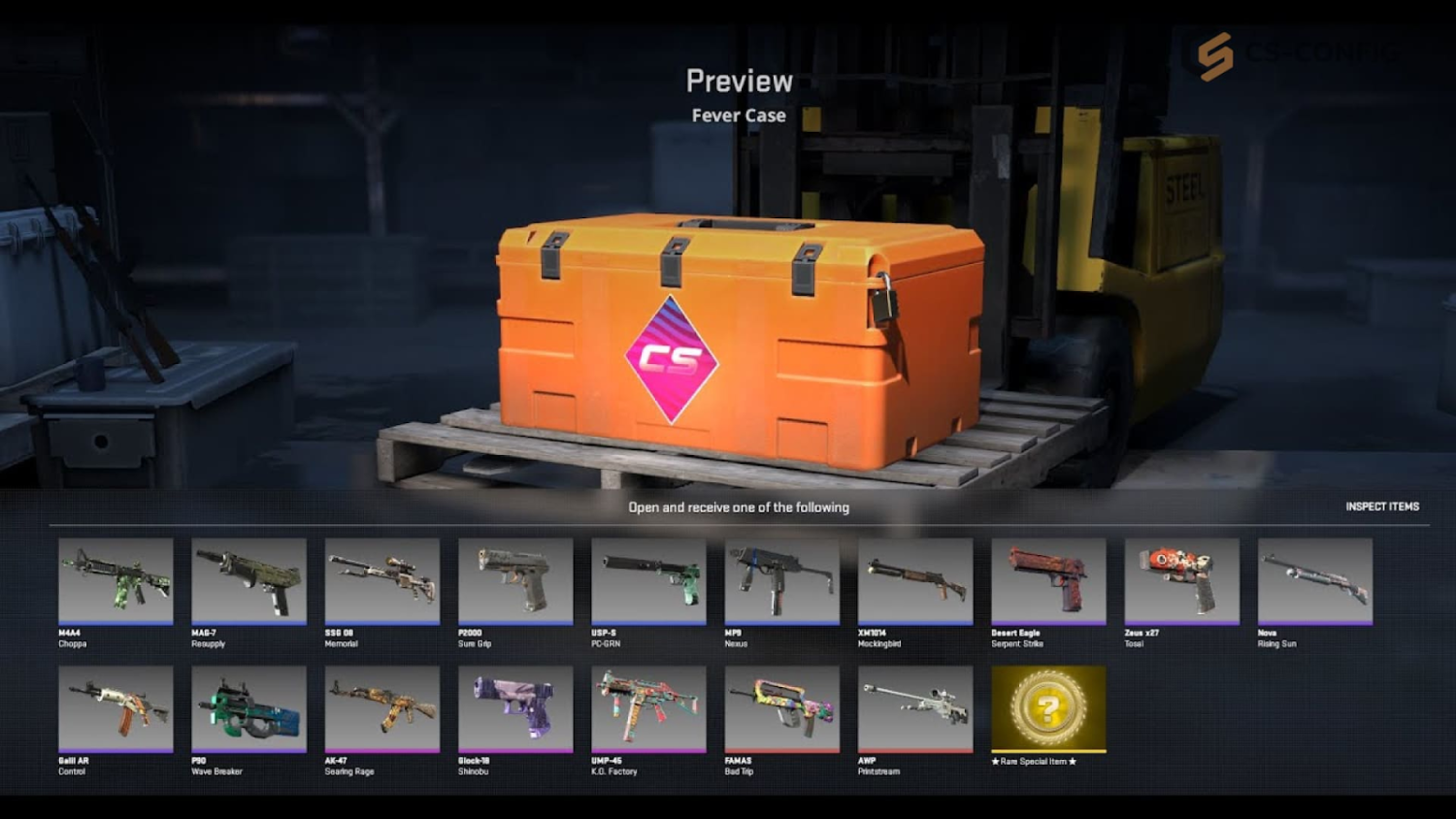
Cases are containers with a predefined set of skins. To open them, you need a key. Cases can contain everything from cheap Mil-Spec items to ultra-rare knives or gloves with unique patterns.
Collection skins drop directly as a reward for activity on specific maps. But don’t get your hopes up — the odds of scoring something valuable are extremely low, and most of the time you’ll receive a grey or blue shotgun worth a few cents.
It’s important to note that cases eventually rotate out of active drops. Valve regularly updates the drop pool, removing old cases and introducing new ones. That’s why discontinued cases like the Operation Hydra Case are now worth a fortune on the marketplace.
Tip: if you’re farming drops to resell, monitor case pool updates. A retiring case = potential price growth.
Case Drops
Cases are arguably the main engine of CS2’s economy. They drop after matches and can be worth a few cents or several dollars, depending on rarity and age. As of 2025, the active case pool includes:
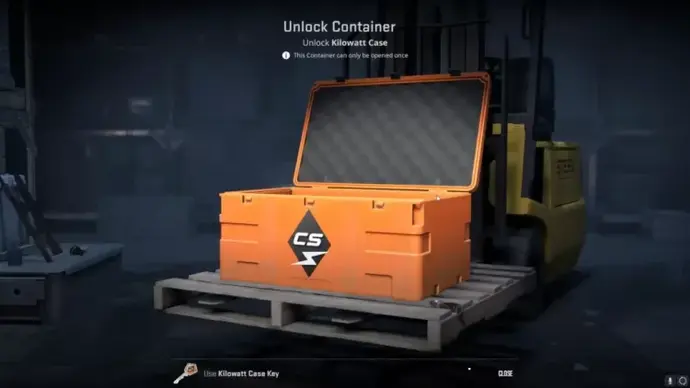
Kilowatt Case (≈ $0.43) – a recent case with neon-themed skins. Popular due to the chance of Gamma Doppler knives.
Fracture Case (≈ $0.42) – a budget-friendly case, common drop, mostly low-value skins.
Revolution Case (≈ $0.50) – includes pricey stickers and the popular AK-47 Headshot.
These cases make up the so-called "active drop pool" — the ones most frequently obtained after matches. Each has its own market value and characteristics, which is essential when deciding whether to sell or open.
How to Open a Case?
To open a case, you need a key that costs $2.50 on the Steam Market. Yes, that’s more than most cases are worth, so consider carefully before opening.
Drop odds from a case:
Mil-Spec (blue) – ~80%
Restricted (purple) – ~16%
Classified (pink) – ~3%
Covert (red) – ~0.6%
Knives/Gloves – less than 0.3%
What Does This Mean in Practice?
Out of 100 cases, 80 will open with blue-grade items that don’t even cover the cost of the key. The chances of getting expensive items cannot be influenced — they are strictly fixed percentages.
Pro tip from experienced traders:
Don’t open cases if you’re looking to profit. Buy the skin you want directly on the Steam Market or on LIS-SKINS.
If you receive a case from the active pool, it’s often smarter to sell it right away while the price is high (especially during the first days after its release).
This way, you can quickly make a small profit without risking money by opening. Over time, the value of such cases usually drops, so waiting for a price spike rarely pays off.
Skin Drops (Collections)
Unlike cases, collection skins drop directly after matches and don’t require a key to “open.” However, there’s a catch: the chances of getting something truly valuable are extremely slim, and most players end up with grey or blue items worth just a few cents.
How Do Skin Drops Work?
Each map in CS2 is linked to its own skin collection. After completing a match, you can receive a random item from that map’s collection. For example:
Mirage → The Mirage Collection
Inferno → The Inferno Collection
Anubis → The Anubis Collection
The most valuable items are Covert and Classified skins. For example, from the Anubis Collection, you could get an AWP | Desert Hydra, which starts at $1,300. But the odds are so low that most players get only cheap shotguns or pistols with faded finishes after dozens of games.
Why Is This Important?
Valve doesn’t disclose the exact drop rates for rare skins, but based on community observations, the odds are similar to rare case items (less than 1%). That’s why many experienced players consider skin drops more of a nice bonus than a real method of farming high-value loot.
Tip: If you want a chance at rare skins, play on maps with popular collections like Mirage or Anubis. But if your goal is to build a collection or make a profit, direct skin purchases are a better route.
Drop Frequency and Limits
The weekly drop pool system means that once you’ve received a case or skin for the week, you won’t get another until the following reset. Going AFK or quitting early doesn’t increase your chances — Valve penalizes inactive behavior. To qualify for drops, you must complete your matches.
Where to Get Cases and Skins: Drops, Purchases, Trading
There are several ways to obtain cases and skins in CS2, and each suits different goals — whether you want to farm for free, buy specific items, or engage in trading. It’s important to understand the pros and risks of each method to avoid wasting time or money. This is especially crucial for newcomers still learning the CS2 economy.
Free Drops
You can receive free drops after matches on official Valve servers, but don’t rely on them as your primary source of skins. This system is more of a nice bonus for active players than a stable way to collect high-value items.
The weekly drop pool grants just 1 item per week (best case — a case, worst — graffiti).
Drops are heavily limited — even if you play for 20 hours straight, you won’t get a second drop until the reset.
The older your account and the more active you are (especially on Prime servers), the higher your chance of getting rarer cases.
This method is great if you’re already playing regularly and want to slowly build a collection or earn a bit by selling cases. But don’t expect to get rich from free drops — it’s all about patience and luck.
Buying on the Steam Market
If you need a specific skin or case, the Steam Market is your safest option. Fully controlled by Valve, it offers low risk and instant transactions.
You can find everything on the market — from cheap Snakebite Cases ($0.50) to old Operation Hydra Cases ($15+).
Pros: security, official pricing, instant purchases.
Cons: Steam’s ~15% fee, which makes prices slightly higher than on third-party platforms.
Remember, Steam prices are a bit inflated due to its monopoly, but in return, you get guaranteed secure trades. It’s a perfect choice for beginners and players who value convenience.
Trading on Third-Party Sites
If you’re looking to save money or swap unwanted skins, trading on external platforms might be for you. This method suits experienced users who understand pricing and take security seriously.
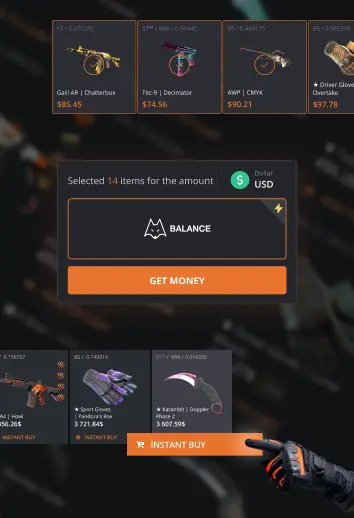
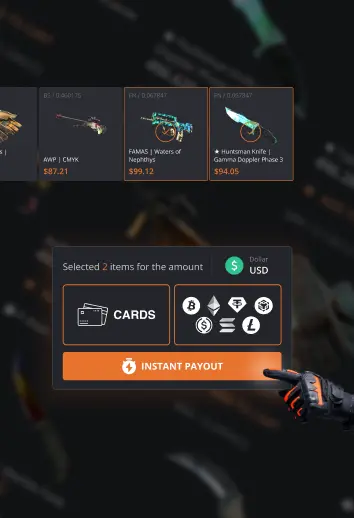
Trade sites let you exchange low-value items for something more useful or desirable.
Beware of scammers: always verify URLs, use two-factor authentication, and check site reputation.
Pricing: many platforms offer lower prices than Steam, but you sacrifice some safety.
Trading is practically a mini-game within the CS2 ecosystem. It offers more flexibility and better deals but requires caution. If you’re new to it, start small to avoid getting scammed.
Most Valuable and Popular CS2 Cases
In the CS2 market, some cases have become true currency for traders and collectors. Their value rises not because they contain legendary skins, but because Valve removed them from the active drop pool — creating artificial scarcity and spiking demand.
Top 5 Cases in 2025:
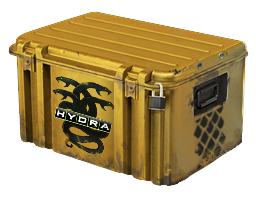
Operation Hydra Case ($26) – one of the rarest operation cases, loved by collectors for its unique gloves and rare skin pool.
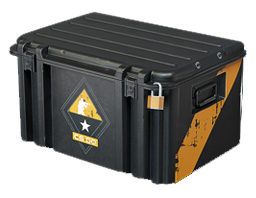
CS:GO Weapon Case ($97) – a legendary item: the very first case ever released in CS:GO, now seen as an investment piece.
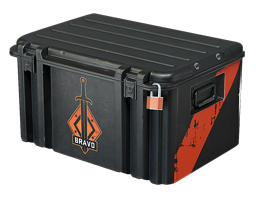
Bravo Case ($45) – valued for its Bravo collection skins, including the legendary AK-47 | Fire Serpent.
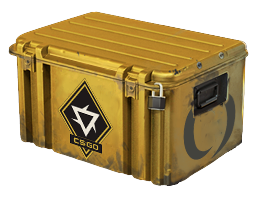
Revolution Case ($0.50) – popular among esports fans thanks to its flashy skins and stickers.
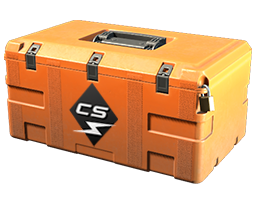
Kilowatt Case ($0.43) – the 2025 case filled with neon-style skins and a chance to pull Gamma Doppler knives.
These cases may contain skins like the AWP | Dragon Lore ($8,000+) or knives with rare patterns that sell for thousands. But remember — the odds are extremely low, so most buyers treat these as long-term investments rather than gamble openings.
Forecast: Legacy cases will likely keep rising in price, especially if Valve removes them permanently from drops. Traders are already hoarding them in anticipation of future price surges.
Drop Secrets and Pro Tips
Want to squeeze the most out of the weekly drop system? Here’s what experienced players do to boost their chances of getting valuable cases — all within Valve’s rules.
Play matchmaking on official servers — community servers don’t count for drops.
Drop eligibility resets every 7 days. If you already got an item this week, the next won’t come until the next reset window.
Make sure you’ve reached Private Rank 2+ and activated Prime status — Prime players are more likely to receive newer and more valuable cases.
Stay active. A 10-minute game once a week isn’t enough — consistent activity throughout the week increases your chances.
Use your drop slot wisely: if you’re only going to get one item this week, don’t waste it on a graffiti — play until a case drops.
While there's no guaranteed way to farm expensive cases, following these strategies will help maximize your odds over time. Combine them with smart trading or market flipping, and you can slowly grow your collection — or even turn a profit.
Summary
CS2 case drops are a unique part of the in-game economy and offer a mix of fun, randomness, and real value. Whether you’re a casual player looking to decorate your loadout or a seasoned trader seeking profit, understanding how drops work is key. Stick to official servers, stay consistent, and take advantage of the market’s trends to make the most out of your drops.